7 Best Spindle Winding Machines for Global Buyers?
Choosing the right spindle winding machine can influence production speed, yarn quality, labor costs, and long-term maintenance. Global buyers need more than an attractive catalog specification. They must examine winding tension, spindle speed, package stability, control systems, and compatibility with different yarn types. A machine that performs well in a high-volume factory may be unsuitable for a smaller workshop with limited technical staff.
This guide reviews seven leading options for international purchasing teams. Each selection is considered through practical criteria, including winding accuracy, automation, energy use, operator safety, spare-parts access, and after-sales support. Real operating details matter: uneven tension can create loose edges, while excessive speed may increase yarn breaks and surface defects. Voltage requirements, installation conditions, and local service coverage also deserve careful attention. Small details become expensive later.
No single spindle winding machine is ideal for every buyer. Published specifications can be difficult to compare because manufacturers may measure output under different conditions. That limitation should not be ignored. The discussion therefore balances technical data with realistic purchasing concerns, such as training time, cleaning access, noise levels, and maintenance intervals. It also considers how reliably each machine may perform across changing production schedules and material grades. Some conclusions remain cautious, because factory trials and supplier references often reveal problems that brochures cannot show. The final shortlist aims to support informed decisions, not replace professional evaluation. Practical evidence still matters most.
What Is a Spindle Winding Machine and How Does It Work?
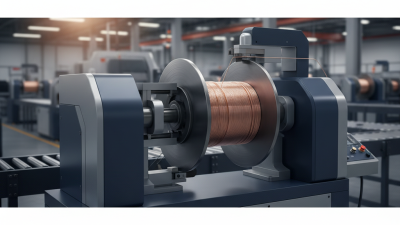
A spindle winding machine transfers yarn, wire, thread, or similar material onto a controlled package. Its spindle rotates the package while a guide moves the material across its surface. This movement creates even layers and prevents loose coils. The machine usually includes a tension device, spindle drive, traverse system, and control panel. Each part affects winding quality.
During operation, the material passes through guides and tension controls before reaching the rotating spindle. The spindle speed must match the material’s thickness and flexibility. Excessive tension can stretch delicate yarn or damage insulation. Low tension may create soft edges and uneven layers. Sensors can detect breaks, diameter changes, and package fullness. However, sensors are not perfect. Dust, vibration, and incorrect calibration can still cause errors.
Tips: Check tension with a measured sample, not by touch alone. Confirm the spindle direction before production. Keep guides clean and replace worn contact surfaces. Test a short package first, then inspect its edges, density, and surface. Record speed, tension, and traverse settings for repeatable results. Operators should also watch temperature and vibration during longer runs. Small changes matter. When comparing machines, ask about material range, package size, automation, maintenance access, and training support. A machine that looks efficient may become difficult if cleaning takes too long.
Key Features to Compare When Selecting a Winding Machine
When comparing the 7 best spindle winding machines for global buyers, focus on operating fit rather than headline speed. Winding speed matters, but stable yarn tension matters more. Check the machine’s tension-control range, spindle count, package diameter, and compatible yarn types. A machine running at 1,200 meters per minute may still create weak packages if tension fluctuates.
Energy use deserves attention. The International Energy Agency reports that electric motor systems consume nearly 50% of global electricity. Therefore, buyers should compare motor efficiency, standby consumption, and heat generation. Automatic doffing, yarn-break detection, programmable winding patterns, and touchscreen diagnostics can reduce labor and downtime. The 2024 Grand View Research textile machinery report projects continued market growth through 2030, but this does not mean every automated feature offers a quick return. Local labor costs and maintenance skills change the calculation.
Tips: Request a sample trial using your actual yarn. Measure package density, tension variation, noise, and power use. Ask for spare-part lead times and training support. A lower purchase price can become expensive when a sensor stops production. Also, do not compare only maximum speed. Compare usable speed during an eight-hour shift. The comparison is imperfect. Yarn quality, humidity, and operator habits can alter results. For global purchasing, confirm voltage, safety certification, language support, and remote diagnostic options before signing a contract.
Seven Leading Spindle Winding Machine Types for Global Buyers
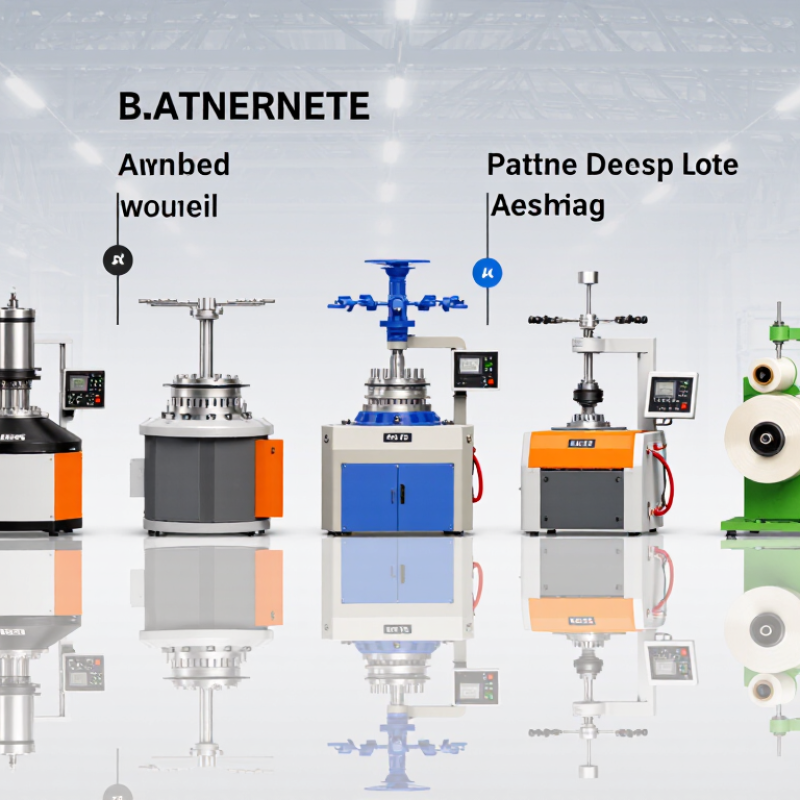
Global buyers usually compare seven leading spindle winding machine types: precision cross-winding, random winding, conical winding, parallel winding, cheese winding, sample winding, and automatic winding. Each serves a different package shape, yarn count, and downstream process. Precision cross-winding creates firm, stable packages for dyeing and weaving. Random winding often reduces cost, but package density can vary.
Conical machines suit knitting cones and help prevent yarn slippage. Parallel winders produce straight-sided packages for specific looms and technical textiles. Cheese winders handle larger cylindrical packages, while sample winders support laboratories and small-batch trials. Automatic spindle winding machines add clearer integration, tension control, and fewer manual stops. They cost more.
ITMF’s International Textile Machinery Shipment Statistics 2023 reported over 230 million short-staple spindles installed worldwide, showing a large installed base for compatible winding equipment. The report also indicates continued investment in modern spinning capacity across Asia and other production regions. Buyers should verify spindle speed, yarn tension range, package dimensions, power frequency, and spare-part availability. ISO 2060 testing practices can support more consistent yarn-length checks. Field experience suggests that quoted output is not always achieved with delicate yarns. That needs scrutiny. A practical factory trial remains essential.
How to Match Machine Performance With Different Production Needs
7 Best Spindle Winding Machines for Global Buyers?
How to Match Machine Performance With Different Production Needs
Choosing a spindle winding machine starts with the product, not the advertised speed. Precision winding machines suit fine yarn, technical threads, and applications requiring consistent package density. High-speed models support large production volumes, but they may create more heat and tension variation. Servo-controlled machines offer accurate adjustments for delicate materials and changing batch sizes.
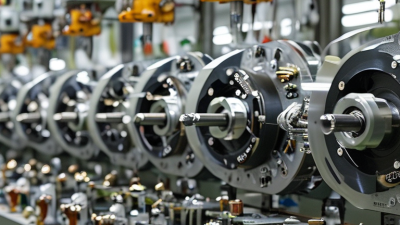
For multi-spindle production, compare spindle count, changeover time, and operator access. A compact automatic model may suit a small factory with limited floor space. Heavy-duty machines are better for thicker wire, reinforced thread, or continuous industrial work. Laboratory and sample machines provide flexibility, although their output is usually modest. I have found that buyers often overestimate speed and underestimate setup time. That mistake can increase labor costs.
Tips: Test the machine with your actual material before purchase. Check tension stability at low and high speeds. Measure package hardness, winding width, noise, and heat after a full shift. Ask about spare parts, training, electrical compatibility, and maintenance access. A clear performance record is more useful than a perfect brochure. Also, leave room for future materials. Your current specification may not remain unchanged.
Global Purchasing Factors: Quality, Compliance, Service, and Cost
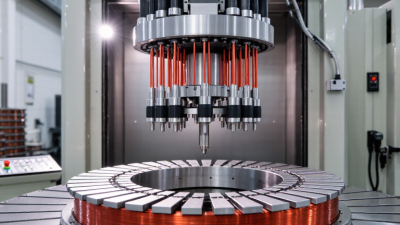
Choosing among the 7 best spindle winding machines requires more than comparing catalog prices. Global buyers should inspect winding precision, machine stability, and documented production experience. Ask for test coils using your actual wire diameter, bobbin, tension, and speed. Measure pitch consistency, stopping accuracy, noise, and heat after continuous operation. Small defects may become costly rejects. Request inspection records, calibration methods, and clear acceptance criteria before payment. Photos are useful, but live testing is stronger evidence. That distinction matters.
Compliance depends on the destination, voltage, workplace rules, and machine configuration. Request applicable conformity documents, electrical diagrams, risk assessments, and material declarations. Do not treat one certificate as universal approval. Have a qualified local reviewer verify the paperwork. Service quality also affects uptime. Confirm response times, language support, remote diagnosis, training, and spare-part availability. Ask whether software updates require paid visits or specialist access. These details are often missing from quotations.
Purchase price is only one part of the calculation. Compare energy use, tooling, maintenance intervals, rejected coils, installation, and operator training. A cheaper machine may lose its advantage through unstable tension or delayed support. In one comparison, overlooking spare tooling made the lower offer less attractive. It was a useful correction. Still, buyers should avoid paying for impressive features that production never uses. Use a weighted score for quality, compliance, service, and total cost. Keep every promise in the contract.
7 Best Spindle Winding Machines for Global Buyers
Global purchasing benchmark based on quality, compliance, service support, and total cost considerations.
Automatic precision and servo-controlled winding machines generally achieve the strongest overall purchasing scores because they provide stable tension control, repeatable winding accuracy, and better production efficiency. Manual and semi-automatic configurations typically offer lower acquisition costs but require more labor and provide less consistent output. Scores use a 100-point planning scale and are intended for supplier comparison rather than representing any specific company or brand.