Top Automatic Wire Winding Machine Suppliers?

Choosing the right automatic wire winding machine requires more than comparing prices or catalogue photographs. Suppliers may advertise similar speeds, yet their machines can differ greatly in tension control, spindle accuracy, software, and service response. A unit winding fine enamelled wire needs different handling from one processing thick copper cable. Small details matter. A loose guide can create uneven coils, damaged insulation, or costly rework.

Industry automation specialist Dr. Thomas A. Schmid states, “A winding machine is only as good as its repeatability at production speed.” This practical view shapes our supplier comparison. We examine real operating performance, not only impressive maximum-speed figures. We also consider machine setup, programmable winding patterns, wire-break detection, tooling changes, and compatibility with existing production lines. Good suppliers explain these points clearly. Reliable suppliers provide evidence.

The leading companies should offer more than equipment delivery. They should support installation, operator training, spare parts, preventive maintenance, and software updates. Ask for sample coils made with your actual wire. Inspect the tension marks. Measure the finished winding. Then question the results. Some supplier claims may look convincing but remain difficult to verify. That is an uncomfortable reality.

This guide reviews top automatic wire winding machine suppliers through an experience-based lens. It considers precision, durability, customization, after-sales support, and total ownership cost. No single supplier fits every factory. Your production volume, coil design, wire material, and quality targets will decide the better choice.
Top Automatic Wire Winding Machine Suppliers?

What Is an Automatic Wire Winding Machine?

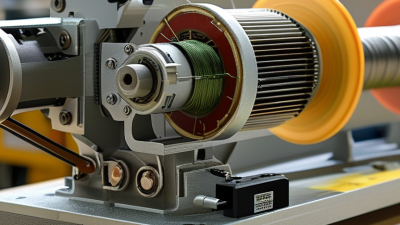
An automatic wire winding machine is industrial equipment that winds insulated wire onto a bobbin, coil former, or magnetic core. It uses a motorized spindle, tensioning system, traverse guide, and programmable controller. These parts work together to control winding speed, wire placement, turn count, and coil width.

Operators can enter parameters such as wire diameter, winding pitch, target turns, and rotation speed. Sensors may detect wire breaks, abnormal tension, or an incorrectly positioned bobbin. The machine then stops or signals the operator, helping reduce damaged insulation and uneven coils. It is not magic. Wire quality still matters.

From practical production experience, stable tension is often more important than maximum speed. Excessive tension can stretch fine wire or damage its coating. Low tension may create loose layers and poor electrical performance. A reliable supplier should provide calibration records, operating instructions, safety guards, and sample-winding support. Buyers should test several coil sizes before approving a machine. Small errors matter. Even a neat specification sheet can hide limitations in tooling, software, or maintenance access. Regular cleaning, guide inspection, and encoder checks also support repeatable results. In some workshops, operators still need to adjust settings manually, especially when wire stiffness changes between batches. That weakness deserves honest attention.

What Is an Automatic Wire Winding Machine?

Typical maximum winding speeds by automatic wire winding machine category

Automatic wire winding machines use programmable motion control, wire-tension systems and automated guiding mechanisms to produce consistent coils. Actual speed depends on wire diameter, coil geometry, winding pitch, tension requirements and the required positioning accuracy.

How to Evaluate Automatic Wire Winding Machine Suppliers

Top Automatic Wire Winding Machine Suppliers?

How to Evaluate Automatic Wire Winding Machine Suppliers

Choosing an automatic wire winding machine supplier requires more than comparing catalog prices. Examine practical experience with your wire type, coil shape, insulation, and production volume. Ask for sample winding trials using your actual materials. Check tension stability, winding speed, wire breakage, and finished coil dimensions. Measure the result.

A capable supplier should provide clear technical documents, control-system details, maintenance schedules, and safety instructions. Request test reports from comparable projects, not only polished showroom videos. Visit the production site when possible. Observe assembly quality, cable routing, calibration records, and final inspection procedures. Small details often reveal manufacturing discipline. Ask for evidence.

Reliability depends on support after delivery. Confirm installation training, response times, spare-part availability, software updates, and warranty boundaries in writing. A useful acceptance test should define output speed, tension accuracy, changeover time, and defect limits. Speak with recent users if permission is available. Their feedback may expose delays that sales materials hide. Do not rush.

A supplier may appear technically strong yet struggle with customized fixtures or changing production requirements. This is where evaluation becomes less comfortable. Require a realistic demonstration, including setup errors and material changes. Perfect samples can mislead. Also review payment stages and delivery milestones carefully. I would rather choose a slightly slower supplier with transparent records than a cheaper one that avoids difficult questions.

Leading Suppliers of Automatic Wire Winding Machines

Leading suppliers of automatic wire winding machines combine precise engineering with practical service. They provide machines for coils, transformers, motors, and fine-gauge wire applications. Strong suppliers should show repeatable tension control, programmable winding patterns, and stable spindle speeds. Factory trials matter more than attractive brochures. Ask for sample winding using your actual wire, bobbin, and insulation. This reveals overlap errors, damaged insulation, and setup time.

Industry data supports this investment. The International Federation of Robotics reported 541,302 industrial robots installed worldwide in 2023, a 10% annual increase. This growth reflects wider demand for automated, repeatable production. Research and Markets’ 2024 industrial automation outlook also identifies flexible equipment and connected production as important purchasing factors. Automatic winding suppliers increasingly offer recipe storage, sensor feedback, and production tracking. However, connectivity alone does not guarantee quality. A poorly calibrated tension sensor can create expensive hidden defects.

Tips: Compare cycle time, wire-size range, tension accuracy, changeover time, and operator training. Request maintenance records and spare-parts availability. Confirm whether technicians can support your region. No supplier is perfect. Some suppliers promise broad compatibility, yet testing exposes limitations with thin enamelled wire or unusual cores. Build acceptance criteria before ordering. Review rejected coils after a pilot run, not only the machine’s display data. Reliability comes from measured results, documented support, and honest limitations.

Top Automatic Wire Winding Machine Suppliers? - Leading Suppliers of Automatic Wire Winding Machines

Supplier comparison based on commonly published machine capabilities and standard purchasing criteria. Specifications vary by machine configuration, tooling, wire material, and application.

Supplier Category Typical Applications Compatible Wire Range Typical Winding Speed Automation Features Quality & Compliance Typical Lead Time Best Fit
High-precision industrial suppliers Motors, transformers, ignition coils, sensors, and precision electromagnetic components Approximately 0.02–1.20 mm, depending on the winding head and tooling About 3,000–12,000 rpm; application-dependent Servo-controlled axes, programmable recipes, automatic wire tension, cut-and-clamp systems, and error monitoring Commonly supports ISO 9001 quality systems; electrical safety documentation available by configuration Approximately 10–24 weeks High-volume production requiring repeatability
General-purpose automatic machine suppliers Coils, relays, small transformers, inductors, and general electrical assemblies Approximately 0.05–1.50 mm About 2,000–8,000 rpm PLC or industrial PC control, touchscreen interface, recipe storage, automatic stopping, and basic tension control Factory acceptance testing and standard safety documentation are typically available Approximately 8–20 weeks Flexible production across several product types
Compact equipment suppliers Small coils, prototype batches, repair work, laboratory production, and educational applications Approximately 0.03–0.80 mm About 1,000–5,000 rpm Digital speed control, programmable turns, manual or semi-automatic wire handling, and foot-switch operation Basic conformity documentation; options depend on the destination market Approximately 4–12 weeks Low- to medium-volume production
Custom automation integrators Automotive components, medical devices, aerospace subassemblies, and complex coil geometries Project-specific; often approximately 0.02–2.00 mm About 1,000–10,000 rpm, determined by process requirements Robotic loading, vision inspection, inline testing, custom tooling, MES connectivity, and traceability functions Project-specific validation, process documentation, risk assessment, and customer audit support Approximately 16–40 weeks Highly specialized production lines
Multi-spindle production suppliers Large-volume coils, stator windings, relays, inductors, and repetitive component families Approximately 0.05–1.00 mm About 2,500–10,000 rpm per spindle Multiple winding heads, synchronized servo drives, automatic changeover, batch counting, and production monitoring Usually offers documented process parameters and repeatability testing Approximately 12–30 weeks High throughput and reduced labor per unit
After-sales-focused suppliers Manufacturers seeking installation, operator training, spare parts, and long-term service support Depends on the selected machine platform; commonly 0.03–1.50 mm Typically 1,500–8,000 rpm Remote diagnostics, preventive-maintenance alerts, training packages, and documented setup procedures Service records, spare-parts documentation, and warranty terms should be reviewed before purchase Approximately 8–24 weeks Operations where uptime and support are priorities

Evaluation note: Before ordering, request a sample-winding trial, confirmed wire-diameter limits, tension-control accuracy, maximum bobbin dimensions, cycle-time data, factory acceptance criteria, installation requirements, warranty coverage, and spare-parts availability.

Key Features and Applications of Supplier Equipment

Top automatic wire winding machine suppliers offer equipment built around precision, speed, and stable production. Key features include programmable winding patterns, adjustable tension control, and automatic wire cutting. Servo-driven systems can maintain consistent coil dimensions during long production runs. This matters when tiny diameter changes affect electrical performance. Machine frames should also reduce vibration and allow quick tool changes.

These machines support transformer coils, motor windings, inductors, relays, and other electrical components. Some models handle fine enamelled wire, while heavier systems manage larger conductors. A reliable supplier should provide sample testing, documented tolerances, and operator training. Check whether the control system records production data and detects broken wires. Practical experience shows that simple interfaces often reduce setup mistakes. More automation is not always better.

Tips: Ask suppliers to wind your actual wire and bobbin before purchasing. Inspect the finished coil under magnification. Check tension stability, layer alignment, noise, and changeover time. Request maintenance schedules and replacement-part information in writing. Do not judge equipment by speed alone. A fast machine with frequent stops may cost more. Supplier claims also deserve careful testing, because advertised accuracy can change with materials, tooling, and operator skill.

How to Choose the Right Automatic Wire Winding Machine Supplier

How to Choose the Right Automatic Wire Winding Machine Supplier

Choosing an automatic wire winding machine supplier starts with your wire, not the supplier’s catalog. Define wire diameter, coil dimensions, winding speed, tension range, and required output. Ask for a live trial using your actual wire and core. A polished demonstration can still mislead. The machine may perform well with standard copper, but struggle with fine enamelled wire or changing spool tension.

Industry data supports careful automation planning. The International Federation of Robotics reported 541,302 industrial robots were installed worldwide in 2023, an increase of 10% year over year. This growth shows stronger demand for repeatable production, but automation quality depends on integration. Evaluate recipe storage, sensor feedback, error alarms, data export, and compatibility with your existing line. Deloitte’s 2023 Smart Manufacturing and Operations Survey found that 86% of manufacturers expect smart manufacturing to drive competitiveness within five years.

Supplier expertise appears in small details. Request references from facilities making similar coils, not only general machinery users. Review acceptance-test procedures, spare-parts availability, training, and remote support response times. Ask how tension accuracy is verified after six months. That question matters. A low purchase price may hide costly setup delays, difficult software changes, or weak maintenance support. I would also inspect a finished coil under magnification. Even winding. A neat appearance does not always prove stable tension, electrical performance, or long-term reliability.