

How to Choose the Right Plywood for Your Projects?

Choosing the right Plywood for your projects is crucial for ensuring quality and durability. The plywood industry has experienced significant growth, with a projected CAGR of 6.9% from 2021 to 2028, according to a report by Grand View Research. Expert David Johnson, a recognized authority in the plywood industry, emphasizes, "Choosing the right plywood can make or break your project." His insights reflect the importance of making informed decisions in material selection.

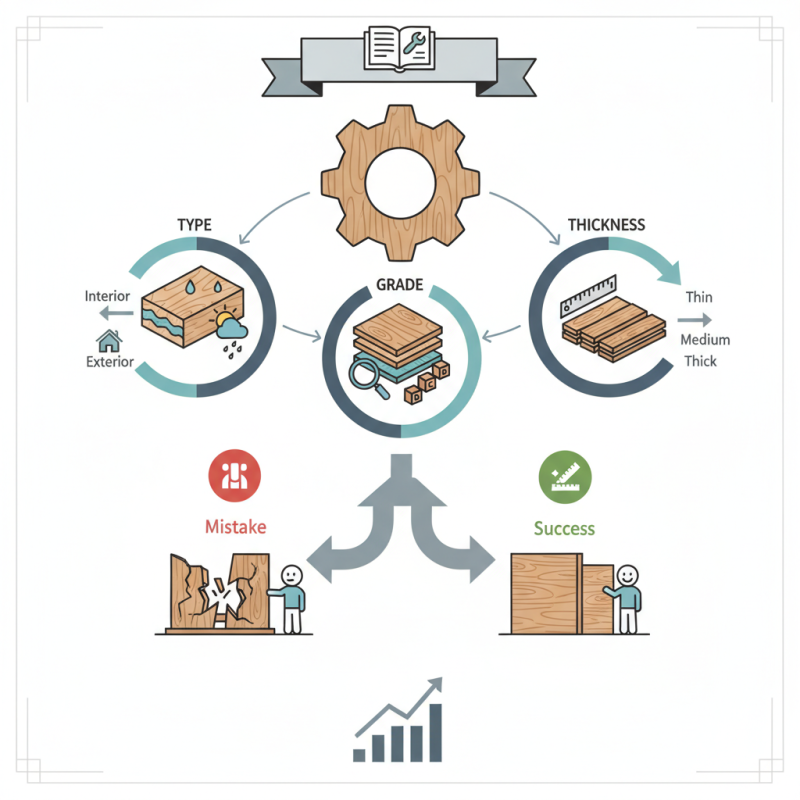
Plywood comes in various types, grades, and thicknesses, each suited for different applications. Not all plywood is created equal; understanding its properties can be overwhelming. Factors such as the type of wood, adhesive quality, and intended use play a role in determining the best choice. For example, exterior-grade plywood is designed for moisture resistance, while interior-grade plywood may not withstand outdoor conditions.

Navigating the complexities of plywood selection requires careful consideration. Mistakes can lead to project failures, wasting both time and resources. A contractor's experience dealing with various plywood grades highlights the need for mindful decision-making. Overall, being aware of the differences can lead to better outcomes in any woodworking or construction project.
How to Choose the Right Plywood for Your Projects?

Understanding Different Types of Plywood and Their Uses

When it comes to choosing plywood, understanding the types and their uses is crucial. Plywood is made from thin layers, or veneers, of wood. Each type serves a specific purpose. For instance, exterior plywood is designed for outdoor projects. It has a waterproof glue that resists moisture. This makes it ideal for outdoor furniture or garden structures. Choosing the right type can save you time and prevent damage later on.

Interior plywood comes in various grades. Higher grades are smoother and free of knots. These are perfect for cabinetry or decorative projects. Lower grades may have imperfections and are better suited for hidden structures. Knowing the grade you need helps in avoiding potential issues during your project.

Baltic birch plywood is popular for furniture and cabinetry. Its strong and stable layers make it an excellent choice. However, it can be more expensive. Think about your budget and the project’s requirements. Sometimes, a less expensive option may suffice. Aiming for the right fit sometimes means evaluating your specific needs against the materials available. Reflecting on these details will lead to better decision-making.

Types of Plywood and Their Common Uses

Evaluating Plywood Grades and Quality for Your Needs

When evaluating plywood grades, it’s essential to understand how different categories affect your project. Plywood is graded based on its appearance and structural integrity. The highest grades, such as A or B, often come with a smoother finish. They are ideal for visible surfaces. However, lower grades may contain imperfections. These can impact not only the look but also the durability of your project.

Quality is equally important when selecting plywood. Consider factors like core material and adhesive types. Some plywood is made with solid cores, providing more strength. Others may use composite cores, which can compromise stability. Always check for certifications that indicate the plywood meets specific standards. This ensures that you receive a reliable product for your needs.

Reflecting on your project requirements can help refine your choice. If you’re unsure about the grade or quality, consult with professionals skilled in woodworking or construction. They can offer insights based on experience, helping you avoid common pitfalls. Remember, investing in good plywood will save you time and resources in the long run.

Factors to Consider When Choosing Plywood Thickness

Choosing the right plywood thickness is essential for any project, yet it's often overlooked. Various projects require different thicknesses to ensure structural integrity and durability. For instance, 1/2 inch plywood is often ideal for cabinet work, providing enough strength without excessive weight. However, if you're looking at flooring or wall sheathing, 3/4 inch thickness is usually recommended for better load-bearing capacity.

Industry reports show that plywood thickness can significantly affect performance and cost. A survey conducted by the Plywood Association noted that using the correct thickness can reduce material waste by up to 20%. This not only saves money but also enhances the sustainability of your projects. However, many DIY enthusiasts often choose plywood based on appearance rather than functionality. It’s crucial to evaluate the needs of your specific project over aesthetics alone.

Moreover, consider the environmental impact of your selection. Thicker plywood may contain more adhesives and chemicals, potentially affecting air quality. Reports reveal that using certified, thinner plywood can minimize these risks. However, it might not always provide the strength you need. Balancing strength, weight, and environmental considerations can be a complex decision. Think about the longevity you desire in your projects.

Comparing Plywood Specifications: Moisture Resistance and Durability

Choosing the right plywood involves understanding its specifications, especially moisture resistance and durability. Plywood is often exposed to various environmental conditions. This exposure can lead to warping, swelling, or even rotting if not properly chosen. For outdoor projects, consider plywood that offers better moisture resistance. Plywood types like Marine-grade or treated options are designed to withstand wet conditions.

Durability is equally vital. Higher-grade plywood typically offers superior durability. This durability can impact how long your project lasts. Think about where your plywood will be used. Plywood used in high-traffic areas needs to be more robust. On the flip side, if lesser pressure is expected, you might opt for a lower grade.

Reflecting on past projects can guide your choice. Did the plywood warp after a rainy season? Did the finish peel in humid conditions? These experiences shape your understanding of what works. Recognizing that not all plywood is created equal is essential. The right choice enhances the longevity and functionality of your projects.

Sourcing Plywood: Where to Buy and What to Look For

When sourcing plywood for your projects, start by identifying reliable suppliers. Local lumberyards often carry a variety of plywood types. Home improvement stores may also have an extensive selection. However, not all sources guarantee quality. Look for suppliers who specialize in hardwoods or plywood.

Inspect the plywood before purchasing. Check for flaws such as knots, warping, or delamination. A good sheet should have a smooth surface, free of cracks. Choosing plywood with a higher grade means fewer imperfections. Understand that not all plywood is created equal, even from reputable sources.

Don't hesitate to ask for samples. Some stores may provide small pieces for evaluation. This ensures the material meets your project's needs. Keep in mind that price isn't always an indicator of quality. Ask experienced carpenters for advice. They can share insights on what to avoid and what works best in different applications. Every project is unique, so take the time to choose wisely.

Article Source: